
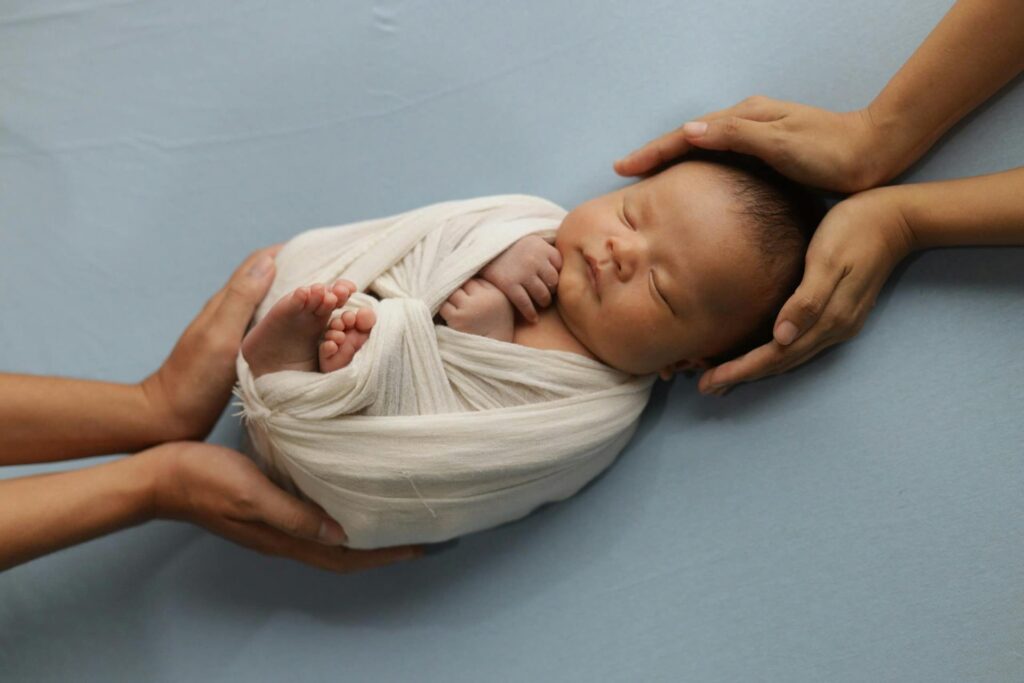
The year was 2009 when an Oregon State University study found that having one child had a climate impact of 9,441 tonnes of carbon dioxide. This sparked a debate around carbon legacy and taking responsibility for the footprint of our descendants.
Not having any children for the sake of the environment is a little extreme, even for us. Instead, we can get behind making easy and low-waste switches to mitigate environmental harm and save money along the way.
The Dirty Math of Baby’s First Year
Your newborn’s carbon footprint rivals a frequent flier’s:
- In the US alone, 27 billion diapers end up in landfills every year.
- Globally, 90% of toys on sale are plastic and 8 out of 10 end up in landfills, incinerators, and oceans.
- Producing 1 kg of formula emits 4 kg CO₂.
- A baby in the developed world can be the source of 58.6 tons of CO₂ emissions a year in products and care.
But low-waste parenting doesn’t mean perfection. Try these 10 lazy-friendly swaps that work across continents—with local brands, services, and savings.
10 Low-Waste Swaps That Work in Any Country
1. Cloth Diapers + $20 Bidet Sprayer
Parenting win: Cuts diaper emissions by 67% (if cold-washed and line-dried).
- U.S.: GroVia, Bayrli
- EU: Petit Lulu, Bamboolik
- Africa: Bamboo Baby, Faithful to Nature
2. Merino Wool Sleep Sack
Sustainability check: Replaces seasonal PJs; saves $500+ and 50 kg CO₂ (Textile Exchange, 2023).
- Worldwide: Disana (GOTS-certified, Germany)
- Africa: Look for OEKO-TEX or GOTS-certified brands via Faithful to Nature.
3. Convertible High Chair
Low-waste baby hack: Grows from baby to adult = no plastic landfill gear.
- Worldwide: Stokke Tripp Trapp
4. Toy Libraries or Rental Apps
Eco-friendly fix: Cuts waste from short-use plastic toys.
5. Secondhand & Low-Waste Nursery Furniture
Parenting tip: Avoid plastic.
- U.S./ Canada/ EU.: Piccalio
- U.S./ Canada: Nestig
- EU/ Worldwide: ecoBirdy
- Africa: Local “Buy Nothing” Facebook groups or WhatsApp baby gear swaps.
6. Reusable Wipes (Cotton + Water)
Wet wipes = 75% of microplastics in UK sewers.
- Use a spray bottle + soft cotton wipes or muslin squares.
7. Baby Carrier/ Stroller
Warning: Your baby spends a lot of time here, make sure the materials are safe and chemical free.
- U.S.: New Native, Solly Baby Wrap
- EU: Oscha Slings
- South Africa: Ubuntu Baba, Ergobaby
8. Capsule Wardrobe (20 Organic Basics)
Babies outgrow 7 sizes in year one (Carter’s Report, 2024).
- Shop secondhand or choose organic multipurpose basics.
9. Glass Bottles (Not BPA-Free Plastic)
Plastic—even BPA-free—leaches endocrine disruptors.
- Worldwide: Pura Stainless provides long-use bottles that grow with your baby. They are made from stainless steel and medical-grade silicone.
10. Breastfeeding (or Donor Milk) if Possible
We’ve already discussed the carbon footprint of formula production. However, breastfeeding is not always possible.
Donor milk banks provide a lower-waste alternative to formula.
- US: Human Milk Banking Association of North America
- EU: European Milk Bank Association
- Africa: Human Milk Banking Association of South Africa
FAQs
Q: Do cloth diapers actually save money?
Yes — $1,200+ saved over 2.5 years (Real Diaper Assoc., 2024), especially when line-dried or shared.
Q: What’s the most wasteful baby item?
Disposable diapers. They take up to 500 years to decompose (NatGeo, 2023).
Q: What’s the best way to build a low-waste baby registry?
Prioritize convertible gear. Add rental or secondhand items.
Share via local gifting groups instead of big-box platforms.
Q: Is low-waste parenting even possible on a tight budget?
Yes. Most eco-swaps (like secondhand toys) are actually cheaper over time.
Community swaps and gift groups also make it more attainable without any extra spending.
Plus, reaching out to your own network is also a good place to start.
Policy Shifts Are Starting—But Parents Still Lead the Charge
Individual low-waste baby swaps matter, but real impact happens when systems change. While baby-specific regulations are still rare, broader sustainability laws are starting to reshape how children’s products are made, packaged, and discarded.
France: In 2024, France introduced new circular economy targets for public institutions, encouraging the use of reusable products—including in childcare centers. This is a step toward reducing single-use items that end up in landfills (Ministère de la Transition Écologique, 2024).
European Union: The revised Packaging and Packaging Waste Regulation (PPWR, 2025) will limit excess packaging and require recyclability or reuse—impacting everything from baby wipes to bottle packaging. While not baby-specific, it applies across consumer goods (European Commission, 2025).
South Africa: Under Extended Producer Responsibility (EPR) laws, manufacturers must now manage the waste generated by their packaging. That includes baby products like toys, wipes, and bottles (DFFE South Africa, 2023).
Kenya: Kenya’s 2017 ban on plastic carrier bags helped cut plastic pollution nationwide. While not baby-focused, it created a ripple effect—encouraging reusable diapers, fabric wraps, and community-led swaps (UNEP, 2021).
How Parents Can Push Policy Further
- Email your city council or daycare board: Ask about switching to cloth-friendly programs, reusable supply kits, or furniture reuse.
- Join or start a local campaign: Push for baby gear take-back programs or single-use bans in nurseries.
- Support brands aligned with EPR laws: Look for companies offering repair,
reuse, or refill options.
So what’s next? Ready to make eco-chic swaps in your home? Checkout our circular furniture Starter Guide here.
Header image: Hai Thanh / Pexels